
About
When visiting this place, seasonal planning is also important because weather changes significantly impact comfort and other options. Knowledge of the temperature and rainfall enables the traveller to match their travelling schedule with outdoor adventure, cultural activities, and experiences around the areas throughout the year.
Best Time to Travel in Rajasthan
Summer Season in Rajasthan (March – May)
It is very hot in the summer season, and the temperatures are very high. This is the time when travellers are comfortable with the hot weather or need to avoid the large numbers of people and get a good deal on their accommodations, but outdoor activities must be taken into consideration.
Monsoon Season in Rajasthan (June – October)
Precipitation lowers the temperature and improves the landscape, particularly along lakes and in vegetation. The season is good in between rainy periods, and cultural festivals usually provide a twist to the season.
Winter Season in Rajasthan (November – February)
Winter is the most convenient time, and one can sightsee, visit the desert, and explore heritage. Most visitors prefer visiting during the season, which is mild in the day and cool in the evening.
Best Time for Sightseeing: October to March
Why Winter is the Best Season
Rajasthan tour is best visited in its winter months, i.e., from October to March. At this time, the weather is pleasant; the oppressive heat of the summer months is over. As such, it is a good time to go outside, explore some historical spots and grab the State’s rich culture. Evening weather is cool, but days are warm enough to take in the sights.
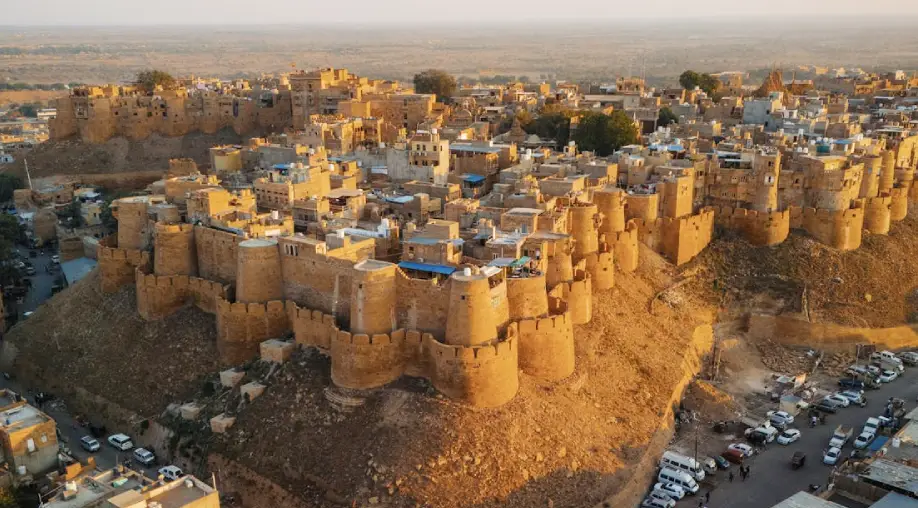
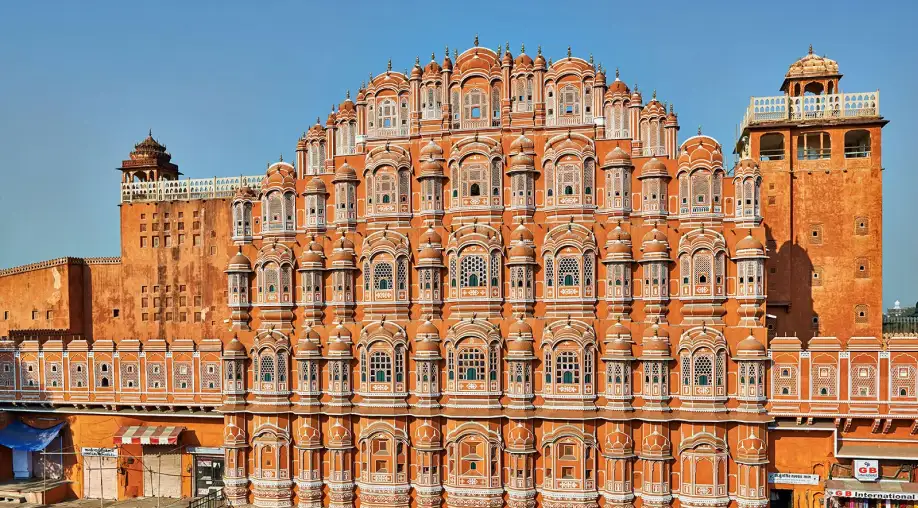
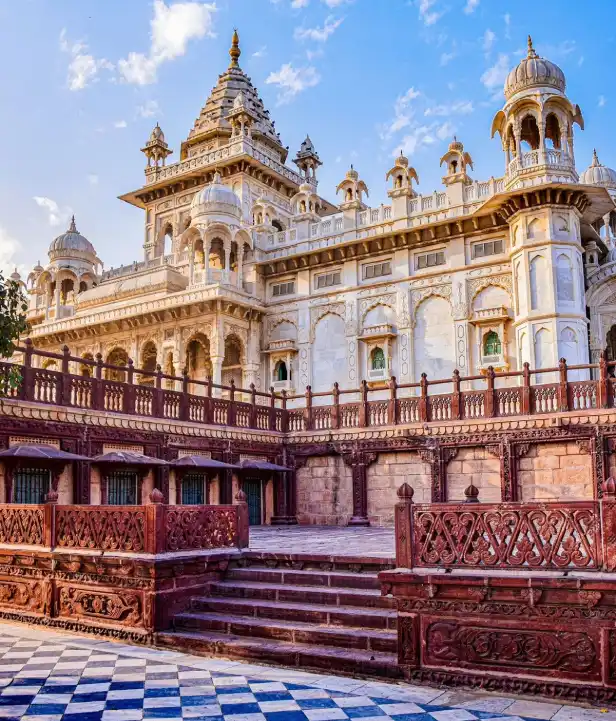
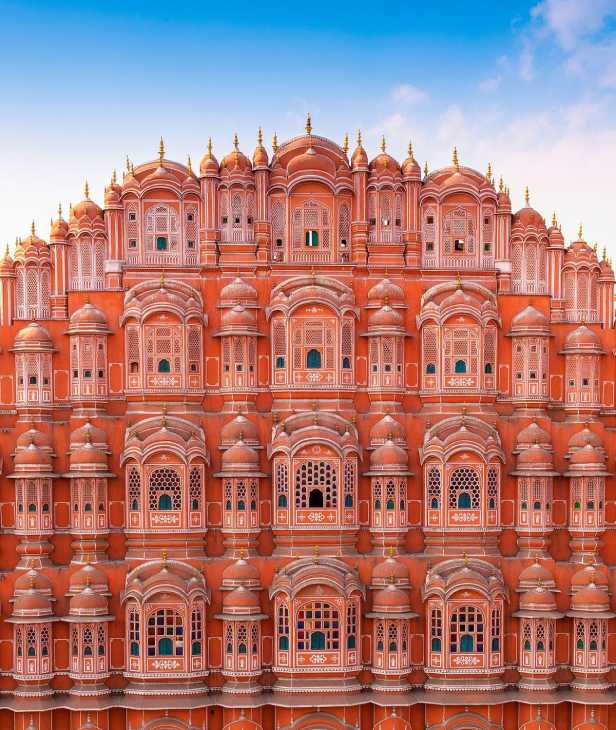
Rajasthan is perfect for exploring forts and palaces. Cities like Jaipur, Udaipur, Jodhpur, and Jaisalmer boast magnificent architectural wonders. In winter, when the weather is pleasant, explore Amber Fort, City Palace in Jaipur, Mehrangarh Fort in Jodhpur, Udaipur City Palace and Jaisalmer Fort could be explored without worrying about the heat of the sun.
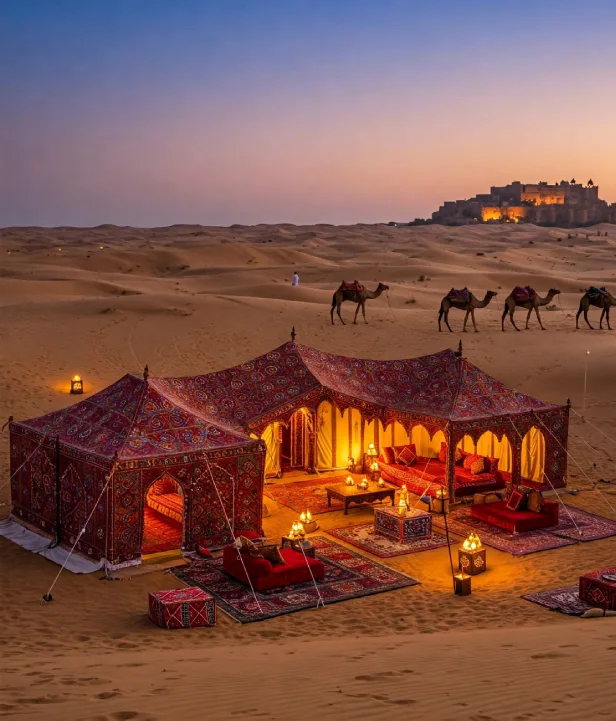
The best time to go on camel safaris in the desert: Rajasthan has the desert safaris which one can go through in cities like Jaisalmer, Bikaner and Pushkar for the same. During the winter, the camel ride across the dunes is largely more enjoyable because of the cooler temperature. A sunrise or sunset with the golden hues of the sand when coupled with cool desert air is unforgettable.
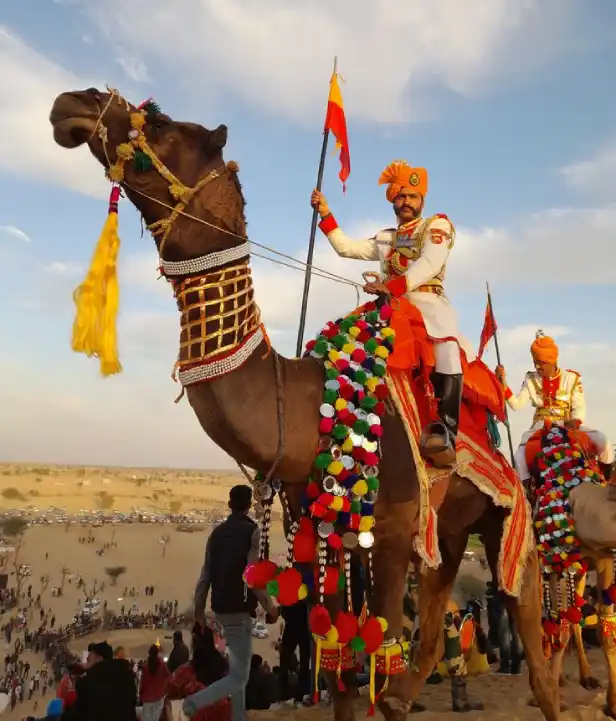
The winter months also bring with them Rajasthan’s vibrant festivals, which are a vital part of the state’s cultural identity. With great enthusiasm Diwali, Teej and Gangaur are celebrated, and the famous Pushkar Camel Fair takes place in the month of November. The winter is the best time if you want to soak yourself in the Rajasthani culture, as it throws open its doors to rich and vibrant festivals and events.
Best Time for Wildlife Viewing: November to March
If you are a wildlife enthusiast, you can witness chances of catching many animals during wildlife safaris, as it is the best time to go for a safari in Rajasthan.
Ranthambore National Park
India’s most famous tiger reserve, Ranthambore, is open for safari from October to June, with the best time during November to March. Once the cooler months arrive, the likelihood of seeing wildlife increases as animals come to the waterholes to drink.
Sariska Tiger Reserve
Another well-known place for wildlife lovers is Sariska, placed in the Aravalli range. The park is open throughout the year, but the best time to visit tigers, leopards and other wildlife is in winter when the weather is cool and animals are out of rest.
Keoladeo National Park (Bharatpur Bird Sanctuary)
Certainly a must-visit for bird lovers, Keoladeo National Park is home to more than 365 species of birds. The park ranks as a UNESCO World Heritage Site, and it boasts thousands of migratory birds, in particular from Siberia. The migratory birds flock to the park; the best time to visit the sanctuary is between November and February.
Exploring Rajasthan’s Hill Stations is Best in Monsoon and Winter
Although a part of Rajasthan, situated in the desert, is a hill station, Mount Abu and Kumbhalgarh are the ones that provide you with the needed cool from the heat.
Mount Abu
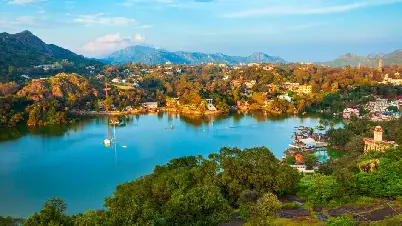
Mount Abu is the only hill station in Rajasthan and comes alive in the monsoon (July to September) and winter (October to March) months. The region is very green during the monsoon season, encouraging nature lovers; and the winters are cool and comfortable for sightseeing.
Kumbhalgarh
At its fort and scenic natural surroundings, Kumbhalgarh is best to be visited in the winter month as the chilly weather offers a great feel to explore the fort and nearby areas.
Best Time for Festivals: October to March
With so much life and color, there are a few lively and colorful festivals celebrated with fervor and enthusiasm all through the year in Rajasthan. On the other hand, the winter months are especially interesting because of the number of festivals that occur on the calendar at this time of the year.
Diwali
In Rajasthan, the festival of lights is celebrated with much grandeur in Jaipur, Udaipur, Jodhpur. The diya (oil lamps) light up the entire city and the market places are decorated with colorful festoons.
Pushkar Camel Fair
Pushkar Camel Fair is one of the most famous festivals of Rajasthan and it takes place every year in November. An extraordinary cultural event: camel trading, folk dances, music performances for all tastes and a very lively bazaar (market).
Teej and Gangaur
Both these festivals are especially celebrated with great devotion by women. Lord Shiva and Goddess Parvati are rejoiced upon their reunion, and the festival is known as Teej and Gangsaur is the festival of Goddess Gouri God, whose worship is celebrated through this fest. Cities like Jaipur and Udaipur celebrate it.
Summer Season
March to May (Summer) — 25°C–45°C (77°F–113°F)
Monsoon Season
June to October (Monsoon) — 25°C–35°C (77°F–95°F)
Winter Season
November to February (Winter) — 5°C–20°C (41°F–68°F)
Explore Tour Packages Rajasthan
If you are looking to travel to the royal state and want to experience the grandeur of the regal Rajasthan, then Trip Plan India is here to provide you with the best facilities that are customizable yet comfortable Rajasthan tour packages from different destinations in India. We...
Ecotourism
(105 Reviews)
Royal Rajputana Tour Package
Jodhpur – Jaisalmer – Bikaner...
Starts From $ On Request
Ecotourism
(105 Reviews)
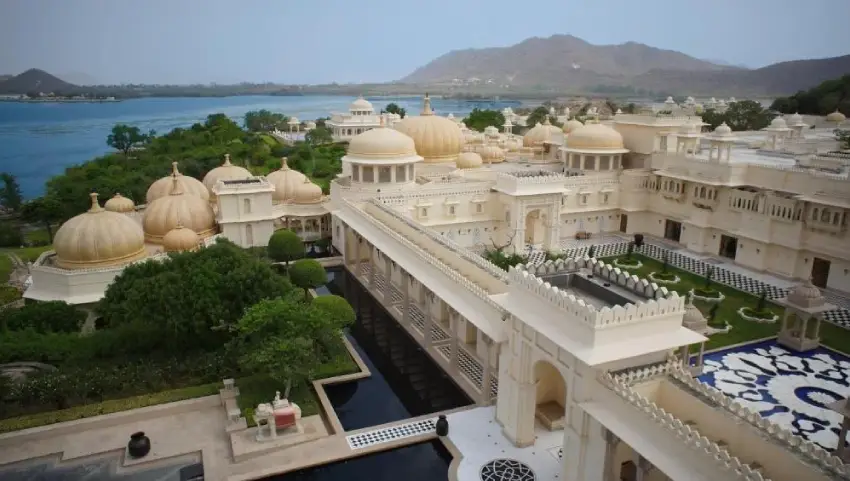
Luxury Rajasthan Tour Package
Jaipur – Jodhpur – Udaipur
Starts From $ On Request
Ecotourism
(105 Reviews)
Royal Rajasthan Tour Package
Jaipur – Bikaner – Jaisalmer –...
Starts From $ On Request
Ecotourism
(105 Reviews)
Udaipur Honeymoon Tour Package
Udaipur – Mount Abu – Udaipur
Starts From $ On Request
Ecotourism
(105 Reviews)
Jodhpur Tour With Taj Umaid Bhawan Palace
Jodhpur
Starts From $ On Request
Ecotourism
(105 Reviews)
Desert Delight Tour Of Rajasthan
Jaisalmer – Bikaner
Starts From $ On Request
Ecotourism
(105 Reviews)
Rural Rajasthan Tour
Delhi – Agra – Jaipur – Nimaj...
Starts From $ On Request
Ecotourism
(105 Reviews)
Senior Citizen Special Jaipur Udaipur Pushkar Tour
Jaipur – Pushkar – Chittorgarh...
Starts From $ On Request
Know More About Rajasthan Tourism
Best Time to Visit Popular Cities in Rajasthan


Frequently Asked
Answers to Common Queries About Our Services and Policies
